Supply · 5 min read
Sea vs Air: Which Is Better for Your Product?
Sea and air each have their advantages. The right choice depends on your product, urgency and cost calculation.
Lintara Team · 11 November 2026
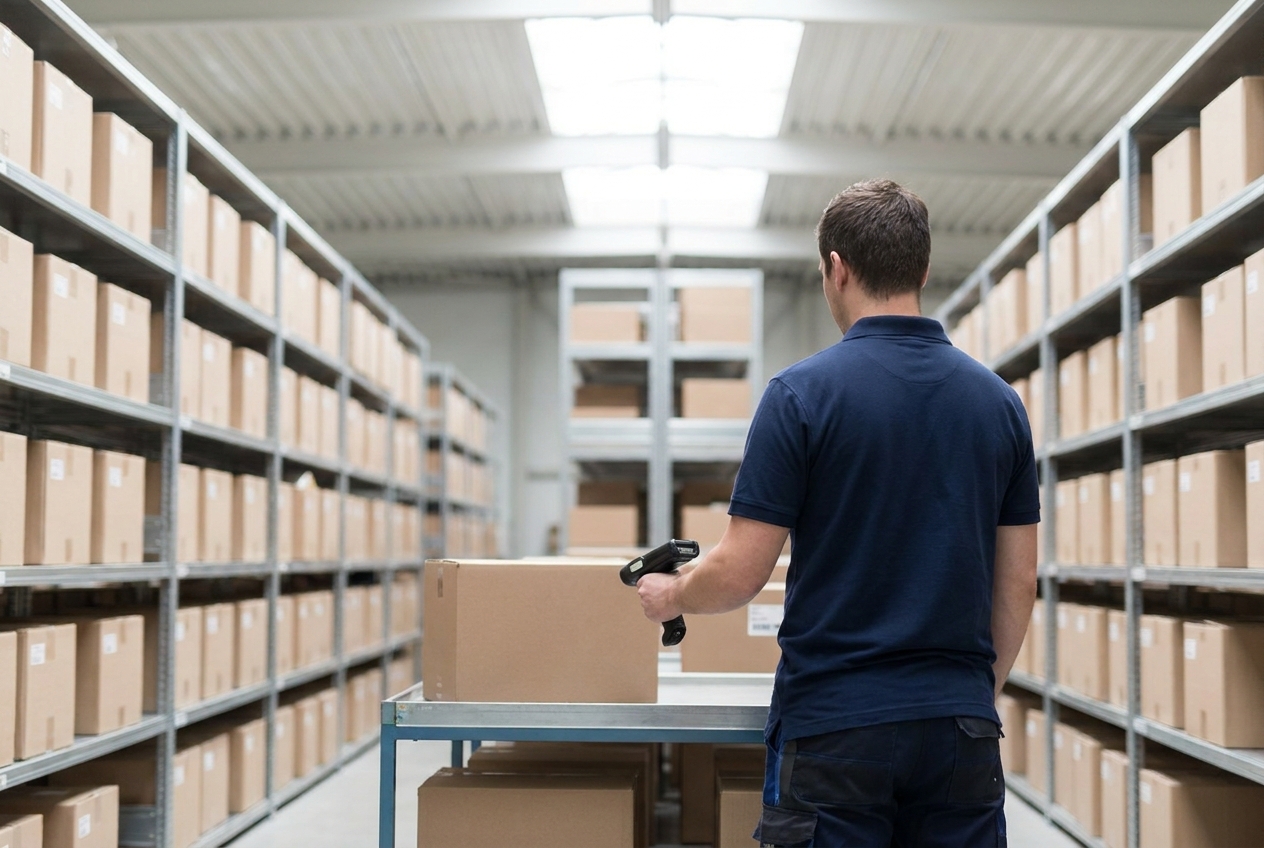
Once your goods are ready in China, the next question is: sea or air? There's no answer that's always right. The best choice depends on your product and your business needs.
Sea
Suitable for:
- Large-volume or heavy goods
- Planned, regular orders
- Thin-margin products that are cost-sensitive
Things to consider:
- Longer transit time, usually measured in weeks
- Requires more careful stock planning
- Costs are usually calculated by volume (CBM)
Air
Suitable for:
- Small, light, high-value goods
- Samples or stock needed urgently
- Trending products that need to reach the market quickly
Things to consider:
- Higher cost per kilogram
- Light but bulky goods may be charged by volumetric weight
- Some types of goods have restrictions for air shipment
How to decide
Ask three questions:
- How quickly do you need the goods? If stock is nearly out and sales are high, speed may be worth more.
- What's the impact on landed cost? Calculate the per-unit cost for both options.
- What are the product's characteristics? Size, weight, value and type of goods determine which options are available.
A combination works too
Many businesses use both: a small portion of stock goes by air to start selling right away, while the rest goes by sea to keep costs down. This strategy helps maintain stock availability without costs ballooning.
Lintara helps you compare supply options based on your product details and business needs, rather than offering a single route.